
Your Cart is Empty





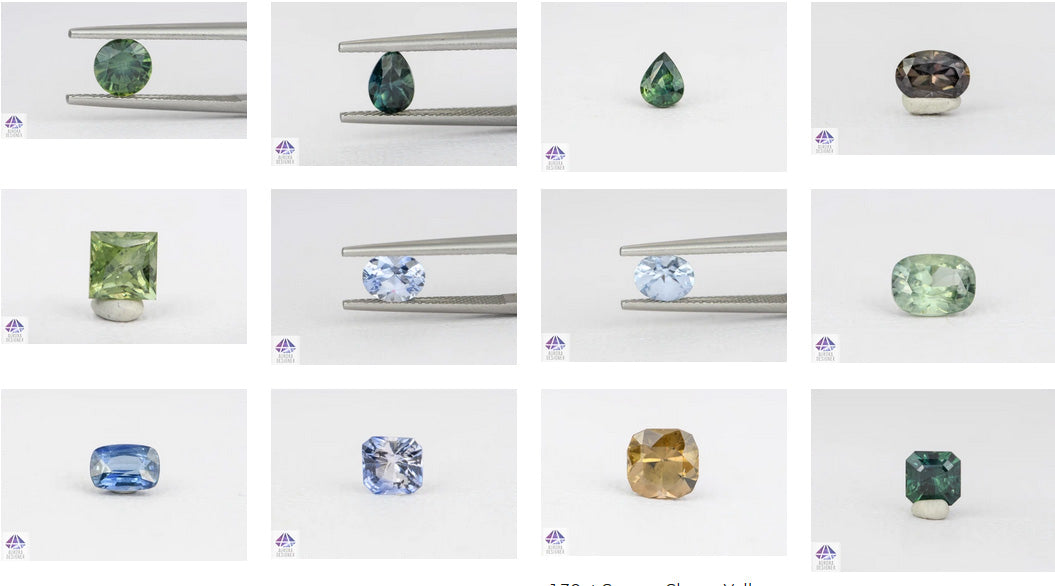

If you've been exploring alternative gemstones lately, you've probably come across a gorgeous newcomer that's been making waves in the jewelry world - Nigerian emeralds.

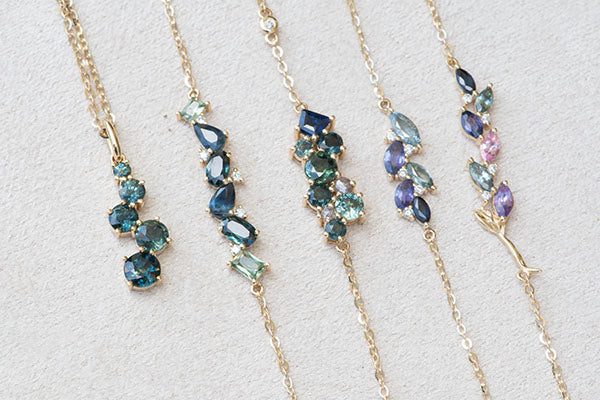
At first glance, they're a little unexpected. Instead of the deep, velvety green we typically associate with emeralds, many Nigerian emeralds sparkle in refreshing shades of blue-green, mint, and teal. Some even remind us of tropical waters or our favorite teal sapphires, catching the light with a crisp, almost glowing appearance.
Naturally, that has raised a lot of questions. Are these really emeralds? What exactly is "vanadium beryl"? And why do some stones receive an emerald grading while others don't?
If you're considering one for an engagement ring or simply love discovering unusual natural gemstones, here's what you should know.
One of the biggest misconceptions is that Nigerian emeralds belong to a completely different gemstone variety calledvanadium beryl.
They don't.
While you'll often see this term used by jewelry sellers and on social media, it isn't an official gemological classification. International gemological organizations, including the Laboratory Manual Harmonisation Committee (LMHC), don't recognize "vanadium beryl" as a separate gemstone species. Instead, it's simply a trade name sometimes used for lighter-colored beryl whose color is strongly influenced by vanadium.
Interestingly, vanadium isn't unique to Nigerian material. Some famous emeralds from Colombia and even China's Yunnan Province also contain significant amounts of vanadium, yet nobody calls those "vanadium beryl."
The answer is surprisingly straightforward.
According to the latest LMHC standards, an emerald must meet two requirements:
That second point is where things get interesting.
Not every green beryl automatically becomes an emerald. If the color is too pale, too blue, or simply lacks enough green saturation, laboratories may classify it as green beryl instead - even if chromium or vanadium is present.

For generations, we've been taught that emeralds should have a rich, saturated green color. Nigerian emeralds gently break that rule.
Many display beautiful shades of:

If you've fallen in love with Montana sapphires or teal sapphires before, you'll probably understand the appeal immediately. These aren't loud gemstones - they're calming, fresh, and endlessly interesting. Their colors shift subtly as the light changes, reminding us more of oceans, alpine lakes, or moss-covered forests than the classic "emerald green" we've all come to expect.
Rather than trying to imitate Colombian emeralds, Nigerian emeralds bring their own personality to the table. They're a wonderful choice for anyone who loves nature-inspired jewelry and wants something that feels just a little different.
Perhaps the biggest surprise is just how clean many Nigerian emeralds are.
If you've ever shopped for emeralds before, you've probably heard that inclusions are part of their charm. In fact, most emeralds contain enough natural fractures that they're routinely treated with oil to improve their appearance.
Nigerian emeralds are different.
Because they formed inside granite pegmatites rather than the high-pressure environments where many classic emeralds grew, they typically have:
The result is an emerald with an almost glass-like appearance that many people find incredibly attractive.
For emerald lovers, this is one of the biggest selling points.
Traditional emeralds are commonly filled with oils or resins because surface-reaching fractures are so common. Untreated emeralds are rare and command very high prices.
Thanks to their naturally high clarity, many Nigerian emeralds require little or no clarity enhancement. While some stones may absorb trace amounts of oil during polishing, many remain essentially untreated.
That's a big part of why they’ve become so appealing to those who value natural beauty, minimal treatment, and gemstones that feel a little more personal and unique.
That depends on what you're looking for.
If you're shopping strictly for investment-grade emeralds, Colombia and Zambia still dominate the market. The finest stones from these localities have decades of collector demand behind them, and they're unlikely to lose that status anytime soon.
But if your goal is to find a beautiful and unique gemstone to wear and enjoy, Nigerian emeralds offer some compelling advantages:
They're also ideal for shoppers who love unusual gemstones and don't necessarily want what everyone else is wearing.
If you love the color, absolutely.
Just don't buy it because someone tells you it's "the next Colombian emerald."
Every gemstone should be appreciated for what it is, not for what it's trying to imitate.
Nigerian emeralds have their own personality. Their bright, ocean-inspired colors, impressive clarity, and approachable prices make them a wonderful choice for modern jewelry, especially if you gravitate toward nature-inspired gemstones.
As always, purchase from a reputable jeweler like us and look for stones with an attractive color.
Nigerian emeralds aren't a replacement for Colombian emeralds. They represent a different expression of the same gemstone family: brighter, cleaner, and refreshingly modern.
If you're someone who's drawn to gemstones that feel organic, a little unexpected, and inspired by the natural world, Nigerian emeralds deserve a place on your radar. Their luminous blue-green color, impressive clarity, and understated beauty make them a wonderful option for anyone looking beyond traditional choices.
Sometimes the most memorable gemstones aren't the ones everyone already knows - they're the ones you discover for yourself.


What if true luxury isn't about a logo - but about meaning, craftsmanship, and individuality? As more women turn away from mass-produced jewelry, independent designers like us are redefining what fine jewelry looks and feels like. Here's why the shift is happening - and why it matters.

Looking for an engagement ring that feels more you and less expected? Montana sapphires are having a moment - with dreamy, one-of-a-kind colors that stand out from the classic deep blue. Whether you're drawn to timeless elegance or something a little more unexpected, here's what to know before you choose your forever stone.

Meet the push gate clasp - a small but game-changing detail in modern jewelry. Designed for ease and versatility, it opens up new ways to wear and style your favorite pieces.
Whether you love to switch things up or keep it simple, this clever clasp brings a fresh layer of creativity to everyday jewelry. This article explains the main functions and fun design varieties Aurora Designer offers of this basic but all-encompassing accessory.


